
Biblical herbalism explores ancient healing traditions, referencing plants like hyssop and frankincense.
Resources, including a PDF by Frawley, detail these herbs’ therapeutic uses and historical significance.
Historical Context of Herbal Medicine in the Bible
Herbal medicine boasts a rich history deeply interwoven with biblical narratives. Ancient civilizations, including the Hebrews, relied heavily on plants for medicinal purposes, predating modern pharmacology. The Bible itself references numerous herbs – hyssop, frankincense, myrrh, and aloe, among others – not merely as culinary additions, but as potent healing agents.
Documents like “Herbs of the Bible” by Frawley (available as a PDF) illuminate this historical reliance, detailing how these plants were utilized for everything from wound care and respiratory ailments to spiritual purification. This practice wasn’t isolated; ancient Egyptians, Greeks, and Romans also documented extensive herbal remedies; The Ebers Papyrus, for example, showcases Egyptian medicinal knowledge dating back to 1550 BC, demonstrating a long-standing tradition of plant-based healing.
The Significance of Plants in Ancient Hebrew Culture
Plants held profound cultural and spiritual importance in ancient Hebrew society, extending far beyond mere sustenance. They were integral to religious rituals, symbolizing life, growth, and God’s provision. The Tabernacle and Temple utilized specific plants – frankincense and myrrh – in sacred ceremonies, signifying reverence and connection to the divine.
Resources like the “Herbs of the Bible” PDF by Frawley reveal how plants were woven into daily life, serving as medicine, dyes, and building materials. Hebrew understanding of botany was sophisticated, recognizing specific healing properties. This knowledge wasn’t simply empirical; it was believed to be divinely ordained, reflecting God’s care for His people. The land itself was considered a sacred gift, and its botanical wealth a testament to His generosity.
Key Herbs Mentioned in the Bible and Their Healing Properties
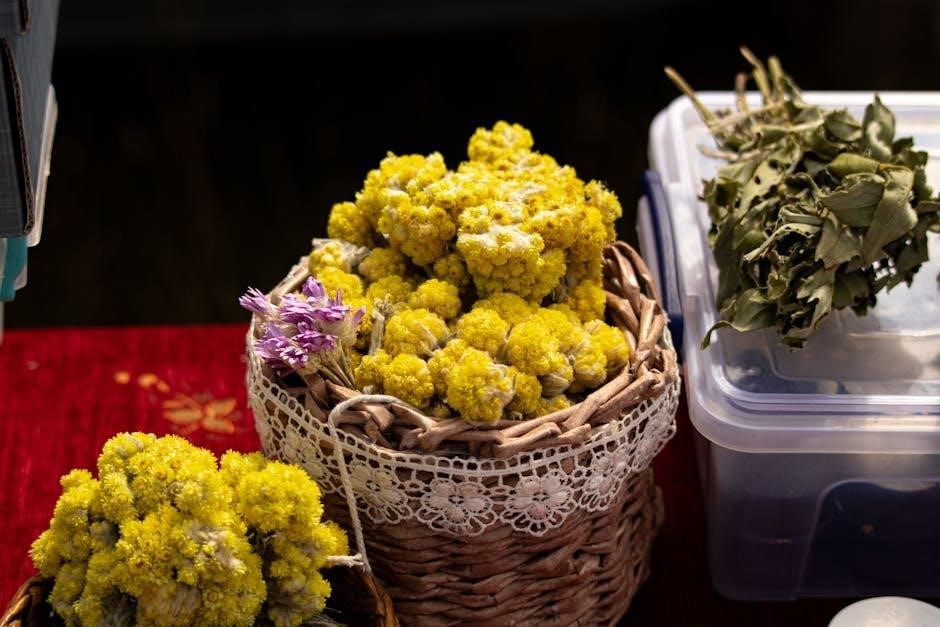
Biblical herbs like hyssop, frankincense, myrrh, and aloe possess documented healing properties, detailed in resources such as the “Herbs of the Bible” PDF.
Hyssop (Za’atar): Respiratory and Purification
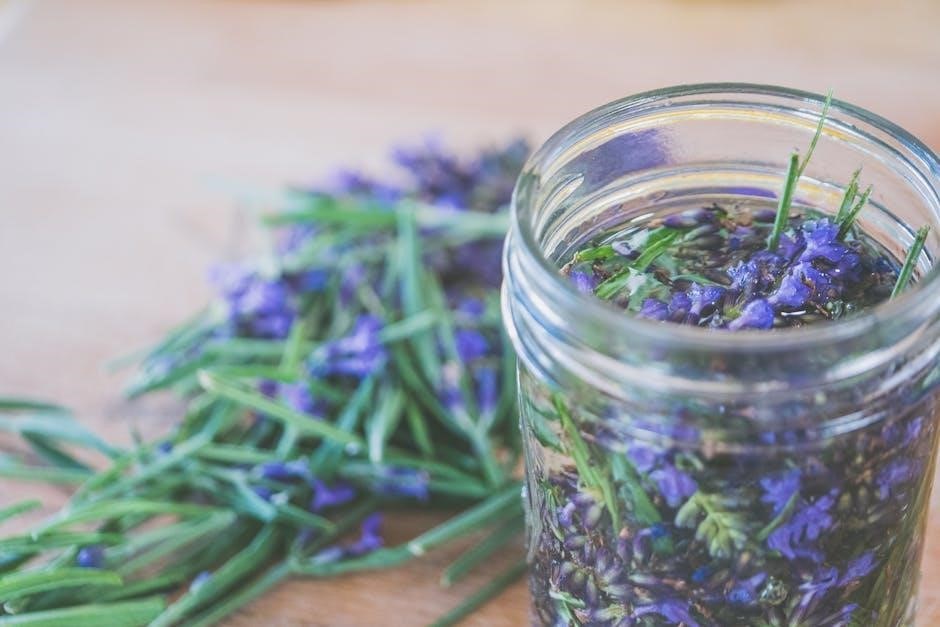
Hyssop, often identified as Za’atar, holds a prominent place in biblical texts, notably for purification rituals described in Psalm 51 and Numbers 19. Historically, it was utilized for cleansing and respiratory support. The “Herbs of the Bible” PDF details its traditional applications in addressing coughs, colds, and bronchial ailments.
Beyond its physical benefits, hyssop carried spiritual significance, symbolizing repentance and renewal. Ancient practices involved its use in temple ceremonies and as a medicinal herb for various conditions. Modern herbalists continue to explore hyssop’s potential, recognizing its expectorant and antiseptic qualities. Further research, accessible through dedicated resources, illuminates its multifaceted role in ancient and contemporary healing practices.
Frankincense (Lebonah): Anti-inflammatory and Spiritual Use
Frankincense, known as Lebonah, is deeply interwoven with biblical narratives, prominently featured in the Tabernacle incense and as a gift to Jesus. The “Herbs of the Bible” PDF highlights its historical use for anti-inflammatory purposes and spiritual ceremonies. Ancient Egyptians valued it for embalming, while biblical texts emphasize its aromatic and healing properties.
Traditionally, frankincense was employed to alleviate pain, reduce swelling, and promote wound healing. Its resin contains compounds with potent anti-inflammatory effects. Spiritually, frankincense symbolizes worship and reverence, often used in religious rituals to create a sacred atmosphere. Modern aromatherapy utilizes frankincense for stress reduction and immune support, continuing a legacy rooted in ancient traditions and documented herbal knowledge.
Myrrh (Mor): Wound Healing and Anointing
Myrrh, referred to as Mor, holds a significant place in biblical history, notably presented to Jesus alongside frankincense and gold. The “Herbs of the Bible” PDF details its traditional use as a powerful wound healer and for ceremonial anointing. Egyptians utilized myrrh in embalming, recognizing its preservative qualities, while biblical accounts showcase its medicinal applications.
Historically, myrrh was applied to wounds to prevent infection and promote tissue regeneration. Its resin possesses antiseptic and astringent properties, aiding in closing wounds and reducing inflammation. Beyond its physical healing capabilities, myrrh was integral to anointing rituals, symbolizing purification and consecration. Today, myrrh continues to be valued in aromatherapy for its grounding and restorative effects, echoing its ancient healing legacy.
Aloe (Halal): Skin Conditions and Digestive Health
Aloe, known as Halal in some contexts, is recognized in biblical references and detailed within resources like the “Herbs of the Bible” PDF for its versatile healing properties. Historically, it was valued for soothing skin irritations and promoting digestive wellness. Ancient Egyptians termed aloe the “plant of immortality,” highlighting its revered status and perceived life-extending benefits.
The PDF likely outlines aloe’s traditional use in treating burns, wounds, and skin conditions like eczema. Internally, it was believed to aid digestion and alleviate intestinal discomfort. Modern science confirms aloe’s anti-inflammatory and soothing effects, validating its historical applications. Today, aloe vera remains a popular ingredient in skincare products and digestive aids, demonstrating the enduring relevance of this biblical herb.
Mandrake (Dudaim): Pain Relief and Fertility (Cautionary Note)
Mandrake, or Dudaim, appears in Genesis 30:14-17, linked to promoting fertility. The “Herbs of the Bible” PDF likely details its historical use for alleviating pain, particularly during childbirth, and addressing issues related to reproductive health. However, the biblical account and ancient texts also emphasize its potent and potentially dangerous nature.
Mandrake contains alkaloids that can induce strong physiological effects. The PDF would likely include a strong cautionary note, as mandrake is toxic and its use requires expert knowledge. Historically, its root’s resemblance to the human form fueled mystical beliefs. Modern herbalism generally avoids mandrake due to its toxicity, emphasizing safer alternatives for pain relief and fertility support. Responsible sourcing and expert guidance are crucial if considering its use.
Specific Biblical References to Herbal Healing
The Bible frequently references plants for healing; a PDF resource details these instances, from Tabernacle incense recipes to Proverbs’ wisdom regarding nature’s remedies.
The Use of Herbs in the Tabernacle and Temple
The Tabernacle and, later, the Temple, held significant ritualistic use of herbs, particularly within the sacred incense offered before God. Exodus 30 details a complex formula for the incense, incorporating specific plants – likely including frankincense, myrrh, and potentially others – believed to possess purifying and spiritually elevating properties.
These weren’t merely fragrant additions; they symbolized prayers ascending to heaven and represented a connection between the earthly and divine realms. Detailed analyses, often found within resources like the “Herbs of the Bible” PDF by Frawley, suggest these botanical ingredients were chosen not only for their aroma but also for their medicinal qualities, contributing to a holistic approach to worship and well-being. The precise identification of each herb remains a subject of scholarly debate, adding layers of intrigue to this ancient practice.
Herbal Remedies in Proverbs and the Song of Solomon
While not explicitly detailing medicinal recipes, Proverbs and the Song of Solomon subtly allude to the value of plants and their restorative properties. Proverbs references “healing is in the leaves of the tree,” a poetic expression suggesting nature’s inherent ability to restore health. This echoes the broader biblical theme of God providing for human needs through the natural world.
The Song of Solomon, rich in metaphorical language, uses floral imagery – including mentions of spices and fragrant herbs – to symbolize love, vitality, and well-being. Resources like the “Herbs of the Bible” PDF by Frawley explore how these botanical references likely held deeper cultural significance, connecting physical health with emotional and spiritual flourishing. These texts demonstrate an appreciation for the sensory and restorative power of plants.
Isaiah’s Prophecy of Healing Through Herbs
Isaiah’s prophecies, particularly those concerning restoration and a future kingdom of peace, implicitly point to a time of complete healing – physical, emotional, and spiritual. While not directly listing specific herbs, the overarching message suggests a return to a harmonious relationship with nature, where God’s provision includes natural remedies for suffering.
Scholars drawing from resources like Frawley’s “Herbs of the Bible” PDF suggest that this prophetic vision aligns with the biblical emphasis on plants as gifts from God for human benefit. The promise of renewed health resonates with the ancient understanding of herbs’ therapeutic potential. Isaiah’s words inspire hope for a future where natural healing plays a vital role in God’s redemptive plan, restoring wholeness to creation.
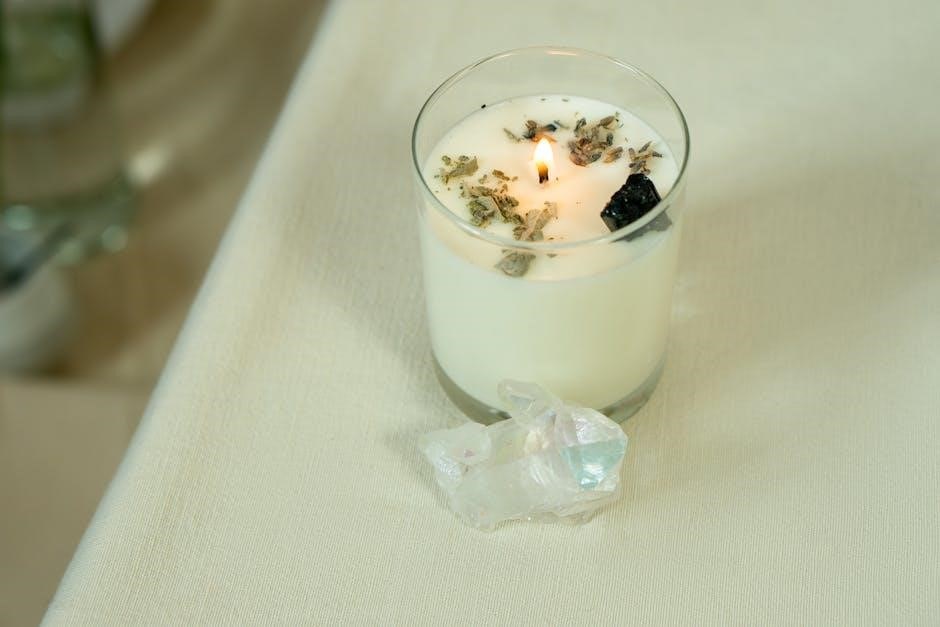
Preparing Herbal Remedies Based on Biblical Practices
Ancient methods—oils, infusions, decoctions—were used. Studying resources like the “Herbs of the Bible” PDF reveals insights into biblical extraction techniques and dosages.
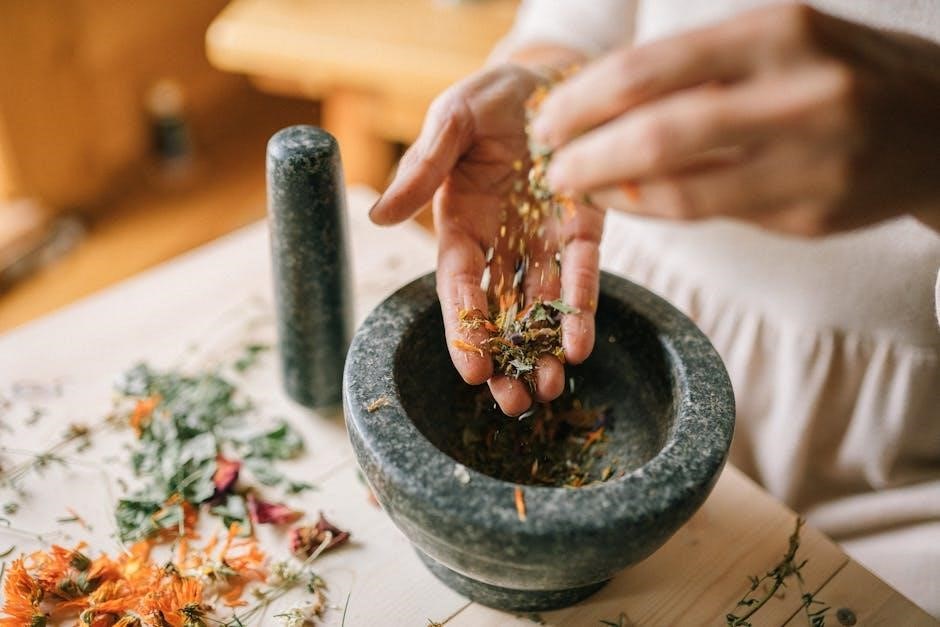
Methods of Extraction: Oils, Infusions, and Decoctions
Biblical herbal practices employed diverse extraction methods to harness plant potency. Oil infusions, likely using olive oil—a staple in the region—were common for drawing out fat-soluble compounds and creating topical remedies. The “Herbs of the Bible” PDF suggests this method for myrrh and frankincense.
Infusions, or steeping herbs in hot water, were utilized for more delicate plant parts, like leaves and flowers, to create teas for internal consumption. Decoctions, involving prolonged boiling of tougher plant materials—roots, bark—were employed to extract resilient medicinal properties. These techniques, detailed in historical texts and echoed in the referenced PDF, demonstrate a sophisticated understanding of herbal chemistry. Careful consideration of plant properties dictated the appropriate extraction method, maximizing therapeutic benefit.
Biblical Measurements and Dosage Considerations
Determining accurate biblical dosages presents challenges due to the lack of standardized units. References to “handfuls,” “shekels,” and “minims” require contextual interpretation. The “Herbs of the Bible” PDF acknowledges this ambiguity, emphasizing the importance of careful observation and gradual introduction.
Ancient practitioners likely relied on experiential knowledge, adjusting quantities based on individual response and the herb’s potency. While precise conversions are difficult, understanding relative proportions is key. Modern herbalists adapting biblical practices advocate starting with low doses and increasing gradually, monitoring for effects. Caution is paramount, as plant constituents can vary. The PDF resource highlights the need for respectful and informed application of these ancient remedies.

Modern Applications of Biblical Herbs
Biblical herbs find contemporary use in aromatherapy, skincare, and respiratory support. Resources like the PDF guide demonstrate continued relevance and healing potential.
Hyssop for Respiratory Support Today
Historically utilized for purification and respiratory ailments, hyssop (Za’atar) maintains relevance in modern wellness practices. Traditional biblical applications, detailed in resources like the “Herbs of the Bible” PDF by Frawley, highlight its expectorant qualities.
Today, hyssop essential oil is employed in aromatherapy to ease coughs, congestion, and bronchitis. Its volatile compounds are believed to possess antimicrobial properties, supporting immune function during respiratory infections. Infusions and teas, prepared following ancient extraction methods, offer a soothing remedy for sore throats.
However, caution is advised; high doses can be contraindicated. Modern herbalists often combine hyssop with other respiratory-supporting herbs for synergistic effects, acknowledging its potent nature and drawing upon centuries of traditional knowledge documented in accessible resources.
Frankincense and Myrrh in Aromatherapy
Frankincense (Lebonah) and Myrrh (Mor), highly valued in ancient biblical times for spiritual and medicinal purposes – as detailed in resources like the “Herbs of the Bible” PDF – are now cornerstones of aromatherapy. Historically used in temple rituals and embalming, their anti-inflammatory and wound-healing properties are increasingly recognized.
Frankincense essential oil promotes relaxation, reduces stress, and supports immune function. Myrrh, with its antiseptic qualities, aids skin health and wound care. Both resins are frequently blended to create grounding and meditative aromatherapy blends.
Modern applications extend to skincare, pain management, and emotional wellbeing. Sourcing authentic, high-quality resins is crucial, mirroring the reverence given to these sacred herbs throughout biblical history and documented in available scholarly texts.
Aloe Vera for Skin Health in Contemporary Medicine
Aloe (Halal), referenced in biblical contexts and explored in resources like the “Herbs of the Bible” PDF, continues to be a celebrated remedy for skin conditions. Anciently valued for its soothing properties, modern medicine confirms its efficacy in treating burns, wounds, and skin irritations.
Contemporary dermatology utilizes aloe vera gel for its moisturizing, anti-inflammatory, and wound-healing capabilities. It’s a common ingredient in lotions, creams, and after-sun care products. Studies demonstrate aloe’s ability to accelerate tissue repair and reduce scarring.
Beyond topical applications, aloe vera juice is consumed for digestive health, aligning with historical uses. Ensuring purity and responsible sourcing remains vital, echoing the respect for natural remedies found within biblical traditions and detailed in related scholarly works.

Safety Precautions and Considerations
Consult healthcare professionals before using biblical herbs, especially with medications. The “Herbs of the Bible” PDF advises caution regarding allergies and sourcing.
Potential Interactions with Modern Medications
Combining biblical herbs with contemporary pharmaceuticals requires extreme caution and professional guidance. Many herbs possess potent biological activity, potentially amplifying or diminishing the effects of prescribed drugs. For instance, herbs with anti-inflammatory properties, like frankincense and myrrh, could interact with blood thinners, increasing the risk of bleeding.
Similarly, herbs affecting liver enzymes might alter drug metabolism, leading to either toxicity or reduced efficacy. The “Herbs of the Bible” PDF doesn’t offer specific drug interaction data, emphasizing the need for individualized assessment. Always disclose all herbal supplements to your physician to avoid potentially dangerous consequences. Self-treating with biblical herbs alongside conventional medicine is strongly discouraged without expert oversight.
Identifying and Sourcing Authentic Biblical Herbs
Accurately identifying biblical herbs is crucial, as misidentification can lead to ineffective treatment or even harm. Many ancient plant names have evolved or been applied to different species over time. The “Herbs of the Bible” PDF provides botanical information, but field verification is still recommended.
Sourcing authentic herbs presents challenges. Look for reputable suppliers specializing in medicinal plants, prioritizing organic and sustainably harvested options. Beware of adulterated products or those with questionable origins. Consider geographical factors; some herbs thrived in ancient Israel but may not grow readily elsewhere. Consulting with a qualified herbalist experienced in biblical plants can ensure proper identification and sourcing, maximizing therapeutic benefits and minimizing risks.
Contraindications and Allergic Reactions
While biblical herbs offer potential benefits, awareness of contraindications and allergic reactions is paramount. Some herbs, like mandrake (mentioned in resources like the “Herbs of the Bible” PDF), carry specific warnings and should be used with extreme caution, if at all.
Individuals with pre-existing medical conditions, allergies, or those taking medications should consult a healthcare professional before using any herbal remedy. Allergic reactions can range from mild skin irritation to severe anaphylaxis. Always perform a patch test before widespread application. Pregnancy and breastfeeding necessitate extra caution, as certain herbs may be harmful. Responsible use, informed by thorough research and professional guidance, is essential for safe and effective herbalism.
Resources for Further Study
Explore “Herbs of the Bible” PDF by Frawley for detailed information. Numerous books and websites expand on biblical plant knowledge and healing practices.
Recommended Books and Websites on Biblical Herbs
Delving deeper into the world of biblical herbalism requires exploring dedicated resources. A foundational text is “Herbs of the Bible” by Frawley, often available as a downloadable PDF, offering a comprehensive overview of plants mentioned in scripture and their traditional uses.
Beyond this PDF, consider researching books focusing on ancient medicinal practices in the Middle East. Websites dedicated to ethnobotany and historical pharmacology can also provide valuable insights. Look for scholarly articles examining the archaeological and textual evidence supporting herbal remedies in biblical times.
Several online databases catalog traditional medicinal plants, allowing cross-referencing with biblical references. Remember to critically evaluate sources, prioritizing those with academic rigor and historical accuracy. Exploring these resources will enrich your understanding of this fascinating intersection of faith, history, and natural healing.
Accessing PDF Resources on Herbs in the Bible
Numerous PDF resources explore the fascinating connection between scripture and herbal healing. A readily available option is “Herbs of the Bible” by David Frawley, frequently found through online searches and academic databases. This PDF provides detailed information on plants like hyssop, frankincense, and myrrh, outlining their historical and medicinal applications.
Further exploration can uncover digitized versions of older botanical texts referencing biblical plants. University libraries and online archives often host these valuable resources. Search terms like “medicinal plants Bible” or “herbal remedies ancient Israel” will yield relevant results.
Always verify the source’s credibility before relying on information from a PDF. Look for publications from reputable institutions or authors with expertise in botany, history, or biblical studies. Careful research ensures accurate and reliable knowledge.
The study of herbs in the Bible reveals a rich history of natural healing practices, deeply interwoven with faith and culture. Resources like the “Herbs of the Bible” PDF by Frawley demonstrate the enduring relevance of these ancient remedies. While modern medicine advances, the wisdom of utilizing God’s creation for wellbeing persists.
Exploring these herbs isn’t merely historical; it offers potential complementary approaches to health. Understanding their traditional uses—from respiratory support with hyssop to wound care with myrrh—provides valuable insight.
The legacy encourages mindful stewardship of the natural world and a holistic view of health, blending spiritual and physical wellbeing. Continued research and responsible application ensure this ancient knowledge continues to flourish.