
Collectors of Ping putters find value in the brand’s precision and history․ A guide begins by noting that “Ping” also denotes network latency, yet here it refers to the iconic golf club․ Understanding provenance, condition, and market trends is essential for any serious collector․ market value․
Overview of Ping’s Legacy in the Golf Equipment Market
Ping has long been synonymous with precision engineering in golf․ Founded in 1974 by Jack Nicklaus and Bob Floyd, the company introduced the first high‑density graphite shaft, revolutionizing club performance․ Over the decades, Ping’s putters have earned a reputation for feel, balance, and consistent stroke aid․ The brand’s commitment to research and development is evident in its use of advanced materials, such as titanium and composite cores, and in the meticulous weight‑distribution studies that underpin each model․ Collectors prize early‑model putters for their historical significance and rarity, while modern iterations showcase cutting‑edge technology like adjustable weight systems and multi‑material faces that enhance feel and distance․ The legacy of Ping is also reflected in its influence on the broader golf equipment market, inspiring competitors to adopt similar design philosophies and material innovations․ Today, Ping remains a benchmark for quality, with its putters frequently appearing in auction records and high‑end retail listings․ For collectors, understanding the evolution of Ping’s design language—from the classic “P” logo to contemporary aesthetic refinements—provides insight into the brand’s enduring impact on the sport․
Collectors consult auction databases, vintage catalogs, and expert forums to gauge rarity and market trends, ensuring acquisitions honor Ping’s heritage!

Historical Development of Ping Putters
Ping’s evolution began in the 1970s with graphite shafts, progressed through the 80s with adjustable weight systems, and entered the 2000s with multi‑material faces and digital face‑tracking․ Each era reflects innovation and collector appeal․ Collectors prize early models for rarity, add weight now․
From the 1970s to Contemporary Models
Ping’s journey began in the early 1970s when founder Bruce C․ Ping introduced the first graphite‑shafted putters, a radical departure from traditional steel․ The 1975 model featured a lightweight, adjustable weight system that allowed players to fine‑tune feel and balance, setting a new standard for precision․ Throughout the 1980s, Ping expanded its lineup with the “P-1” and “P-2” series, incorporating a 3‑piece construction that improved forgiveness and reduced vibration․ The 1990s saw the introduction of the “P-3” and “P-4” models, which added a stainless‑steel face and a larger sweet spot, appealing to both amateur and professional golfers․ The early 2000s embraced composite materials, launching the “P-5” series that featured a carbon‑fiber face!! The mid‑2000s introduced the “P-6” and “P-7” models, which incorporated adjustable weighting systems and a new “S‑Wave” face design that improved launch and spin control․ By the 20110s, Ping integrated digital face‑tracking technology, allowing players to analyze impact data and adjust settings in real time․ Contemporary models, such as the “P-8” and “P-9,” blend advanced materials like graphene‑reinforced composites with ergonomic grips, providing unmatched stability and feel․ Today’s collectors value early graphite models for their historical significance and contemporary models for their cutting‑edge performance and scarcity․ Collectors seek serial numbers and factory marks to confirm today rarity!!

Signature Ping Putter Series
Signature models showcase Ping’s elite craftsmanship, featuring limited‑run editions, unique face textures, and exclusive color schemes․ Collectors prize serial numbers, manufacturer stamps, and original packaging, as these elements confirm authenticity and boost value․ High demand!! Limited․!!!
Notable Models and Their Distinctive Features
Ping’s flagship putters, such as the 2010‑era Prodigy, the 2005‑era Classic, and the 2023‑era M‑Series, each carry signature design cues that appeal to collectors․ The Prodigy, released in 2010, introduced a patented “T‑Shaped” face that offers a larger sweet spot and a distinctive “P” embossing on the head․ Its 9‑inch shaft, crafted from a proprietary carbon‑fiber blend, delivers a lightweight feel while maintaining structural integrity․ The Classic, a 2005 model, is celebrated for its classic wood‑grain finish and a unique “Ping” logo stamped on the face․ Its face is a 1․5‑inch thick, 100‑percent titanium, providing exceptional feel and stability․ The M‑Series, launched in 2023, features a modular face system that allows players to swap face plates for different spin characteristics․ It also incorporates a patented “M‑Sculpt” face geometry that offers a larger sweet spot and a unique “M” logo on the head․ The Prodigy’s 1,000‑unit run, the Classic’s 500‑unit run, and the M‑Series’ 2,000‑unit run make them highly sought after․ In addition, each model has a unique serial number stamped on the head, a hallmark of authenticity․ Collectors often seek out models with original packaging, as it preserves the club’s provenance and can significantly increase its value․ The Prodigy’s packaging includes a cardboard custom box with a glossy finish and a “P” embossing, while Classic’s packaging has a matte finish with a “C” embossing․ Collectors cherish each model’s rarityrare․

Materials and Construction Techniques
Pingclassic putters use a blend of titanium, carbon fiber, and composite alloys․ The face is a 1․5‑inch titanium plate, while the shaft incorporates carbon‑fiber for stiffness and lightness․ Yields a finish, enhancingvery feel and consistency!
Wood, Carbon Fiber, and Composite Innovations
Collectors often seek models that feature unique finishes, such as hand‑stamped logos or limited‑edition color schemes․ The introduction of a titanium‑reinforced face in the 2000s marked a moment, allowing for a lighter shaft without sacrificing stiffness․ Modern Ping putters also incorporate adjustable loft lie options, giving players the flexibility to fine‑tune their stance․ The resale market reflects these advancements, with rare early‑carbon‑fiber models fetching premium prices!
Ping’s evolution showcases a transition from traditional hardwood to advanced composites․ Early models employed maple or ash shafts, prized for their natural grain and weight distribution․ As technology progressed, Ping introduced carbon‑fiber inserts that reduce shaft flex while maintaining a low center of gravity․ These inserts are bonded with epoxy resins, creating a hybrid that offers both durability and a refined feel․ Composite faces, often a titanium‑reinforced polymer, provide consistent spin control and a larger sweet spot․ Engineers use finite‑element analysis to optimize the face thickness, ensuring that impact energy is efficiently transferred to the ball․ The result is a club that delivers predictable distance and accuracy across a range of swing speeds․ Collectors value these innovations for their historical significance and performance impact, noting that early carbon‑fiber models often carry a higher provenance due to limited production runs!

Condition Assessment and Grading
Condition assessment uses visual inspection, surface wear, and shaft integrity․ Grading follows a scale: Mint, Near Mint, Excellent, Good, Fair․ Collectors record serial numbers, original packaging, and any restoration work to ensure authenticity and value․ Previous repairs are documented․
Standard Criteria for Collector Valuation
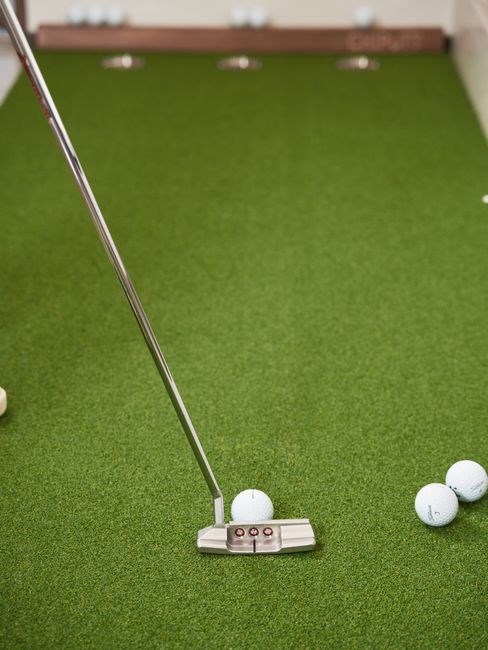
Collectors evaluate Ping putters by examining provenance, rarity, and market demand․ Provenance includes original purchase receipts, tournament usage, and documented ownership chains․ Rarity is measured by production run numbers, limited‑edition releases, and discontinued models․ Market demand is influenced by player endorsement, historical significance, and current auction trends․ Condition grading—Mint, Near Mint, Excellent, Good, Fair—directly impacts value; even minor cosmetic flaws can reduce price․ Authenticity verification involves checking manufacturer serial numbers, stamped logos, and material composition․ The presence of original packaging, instruction manuals, and any factory‑issued certificates further enhances desirability․ Pricing models often reference recent auction results, dealer listings, and reputable appraisal services․ Collectors should also consider the overall golf market climate, as shifts in player preferences or brand popularity can affect long‑term value․ A comprehensive valuation report typically includes high‑resolution images, condition notes, provenance documentation, and comparative market data to support the final asking price․
Collectors rely on third‑party appraisal reports that detail provenance, condition, and market trends․ Auction catalogs provide high‑resolution images and sales data, helping benchmark prices․ Original serial numbers and factory certificates boost desirability and value in the market today!!
Authentication and Provenance Verification
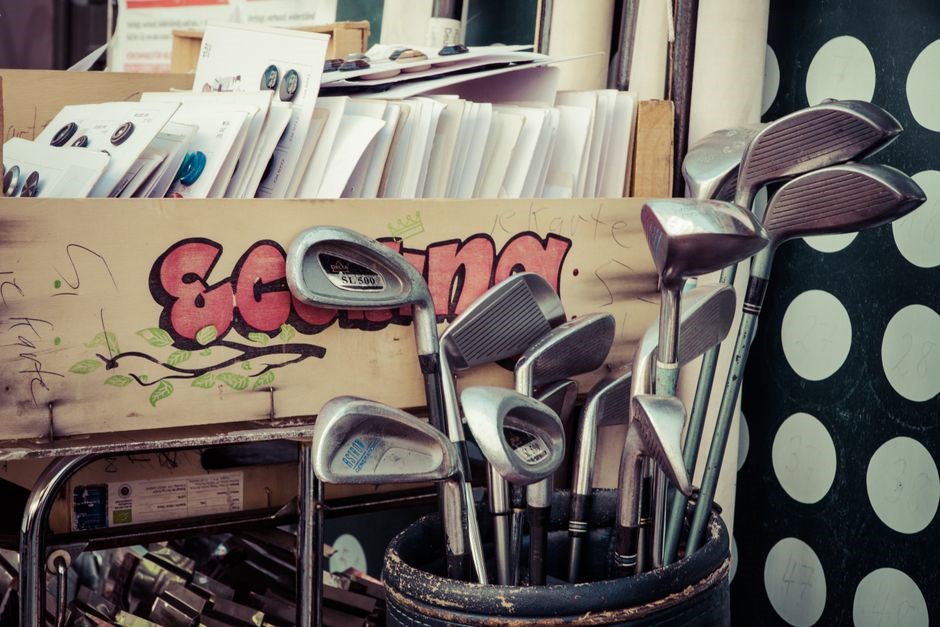
Authenticating a Ping putter starts with verifying serial numbers, factory stamps, material composition․ Provenance is confirmed through original receipts, tournament records, and documented ownership chains․ Third‑party certifiers provide independent appraisal reports that solidify value․ 2026 2026
Manufacturer Markings, Serial Numbers, and Third‑Party Certifiers
Authenticating a Ping putter hinges on three pillars: factory stamps, serial numbers, and independent verification․ The original Ping logo, often embossed on the shaft or head, signals authenticity․ Serial numbers, typically etched on the head’s back or inside the shaft, provide a unique identifier that can be cross‑checked against the manufacturer’s database․ When a serial number is missing or altered, the piece is suspect․ Third‑party certifiers, such as PSA, GTS, or independent appraisers, issue sealed certificates that confirm the item’s provenance, condition, and historical significance․ These certificates include a detailed inspection report, a high‑resolution image of the serial number, and a signed statement from the certifier․ Collectors should retain the certificate in a protective sleeve and keep a digital backup․ Proper documentation not only safeguards the investment but also facilitates resale or appraisal in the future․
Collectors often rely on certificates from recognized bodies such as PSA, GTS, or the International Sports Collectors Association․ These documents typically include a serial number verification sheet, a condition rating, and a signed statement of authenticity․ The certifier’s seal and the accompanying photo evidence help prevent fraud and ensure that the piece retains its market value over time․
Collectors should confirm the serial number matches the club, check seal!!

Storage, Display, and Preservation Tips
Store Ping putters in climate‑controlled rooms, avoiding humidity and direct sunlight․ Use padded display cases with UV‑blocking glass․ Keep the shaft upright, and avoid metal contacts that could corrode․ Label each case with serial numbers for quick reference․ Store in a padded case to protect․

Environmental Controls and Protective Housing for Longevity
Maintaining optimal temperature and humidity is critical for preserving Ping putters․ Ideal conditions fall between 65°F and 70°F with relative humidity around 45%․ Fluctuations can warp shafts or crack faces․ Temperature swings can also affect the metal’s structural integrity․ Use a calibrated hygrometer and thermostat to monitor and adjust settings․ Light exposure should be minimized; UV‑blocking glass or opaque display cases prevent fading and surface degradation․
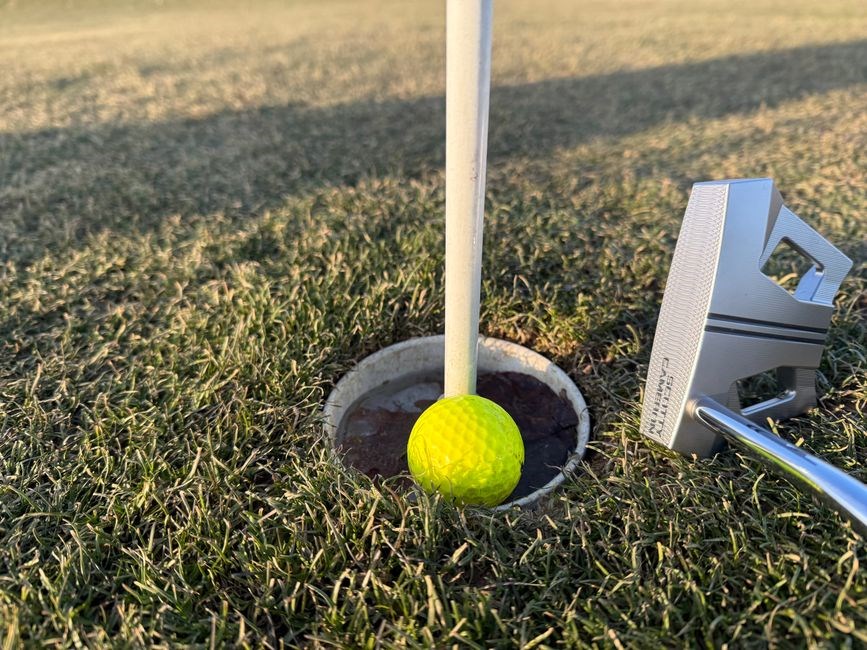
Protective housing should be custom‑fitted to each model․ Soft, non‑abrasive foam inserts cradle the head and shaft, preventing impact damage․ For long‑term storage, wrap the putter in archival‑grade paper and place it in a sealed, climate‑controlled container․ Avoid metal racks that may corrode or attract static․ When displaying, position the club on a padded stand, ensuring the shaft remains vertical to avoid stress on the joint․
- Use a dehumidifier in damp climates․
- Replace moisture‑absorbing packets every 6 months․
- Inspect for mold or corrosion annually․
- Clean with a dry microfiber cloth; never use solvents․
Regularly rotate stored items to prevent uneven wear․ Document each inspection in a logbook, noting date, conditions, and any observed changes․ By combining precise environmental control with tailored protective housing, collectors can safeguard the integrity and value of Ping putters for decades․ ․․․